


A PLEASANT BREAK
ELEGANCE ON THE BOSPHORUS
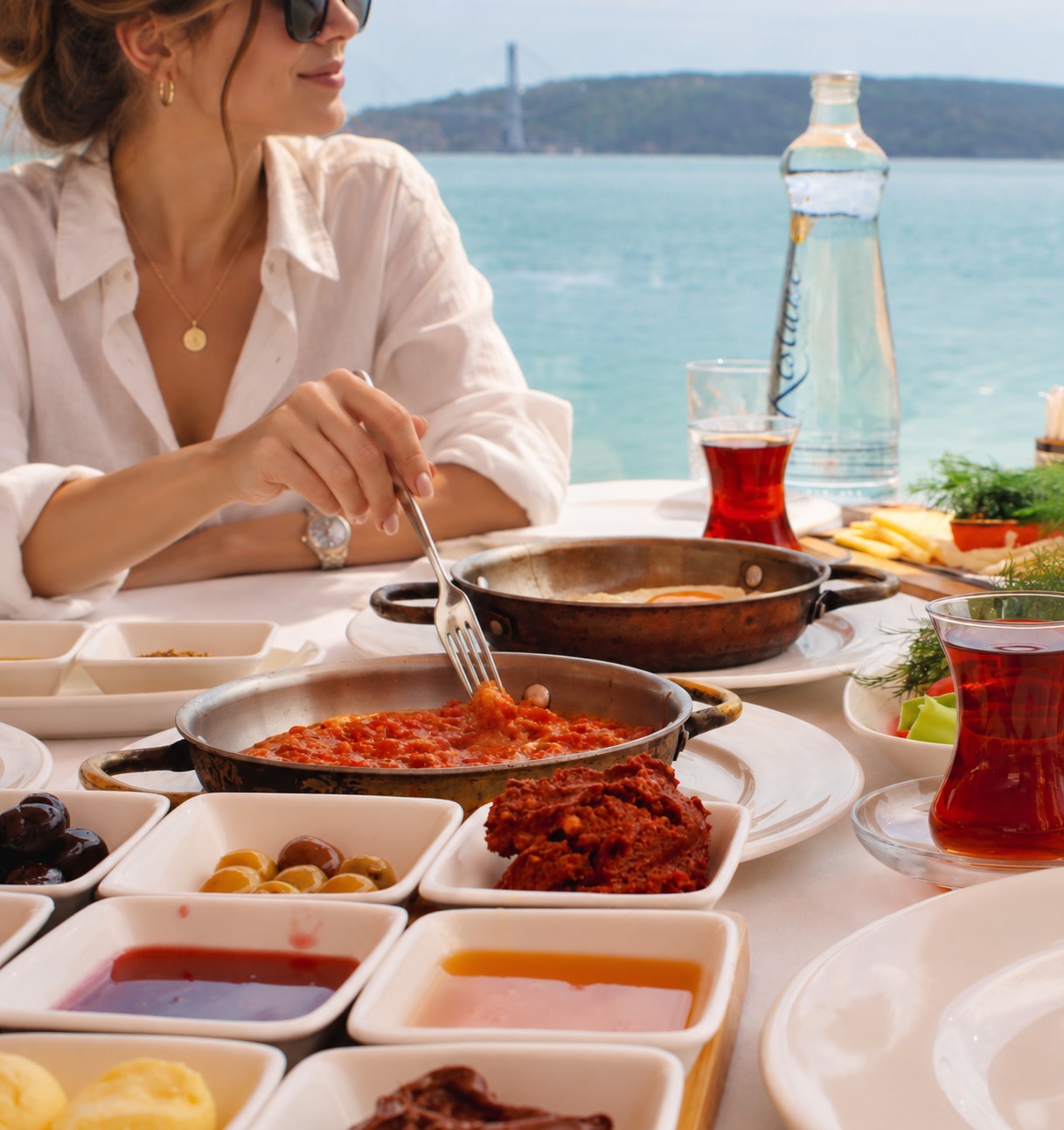
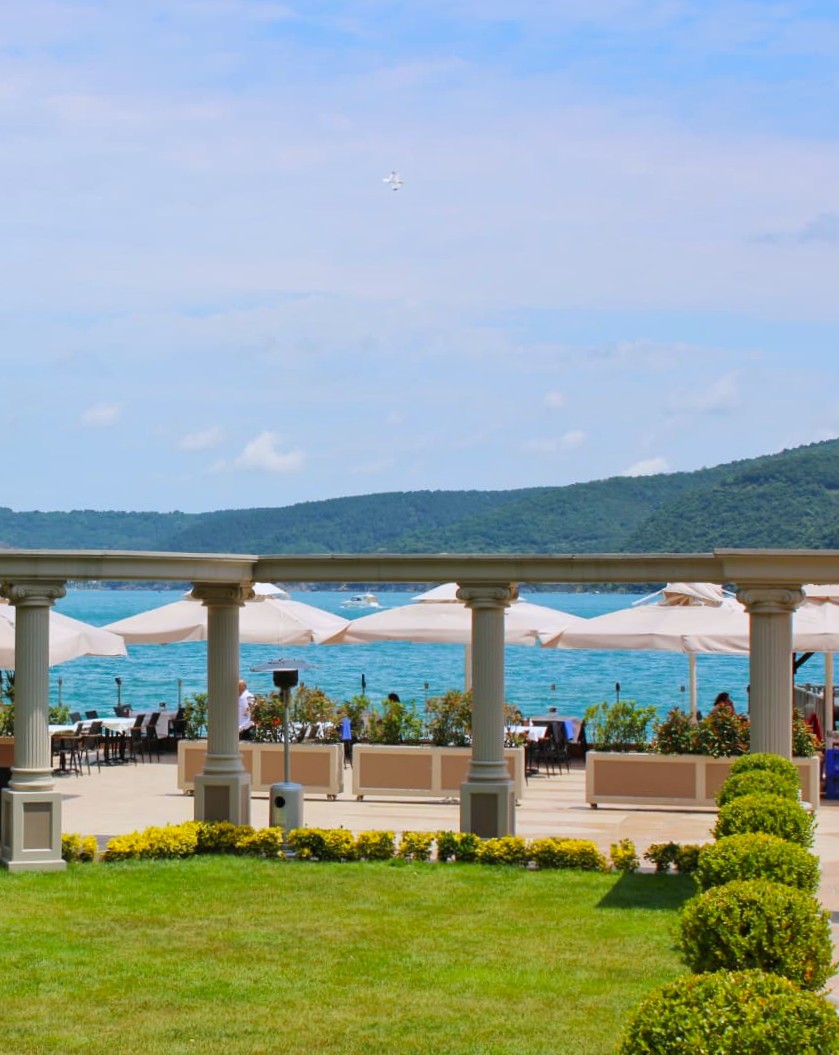
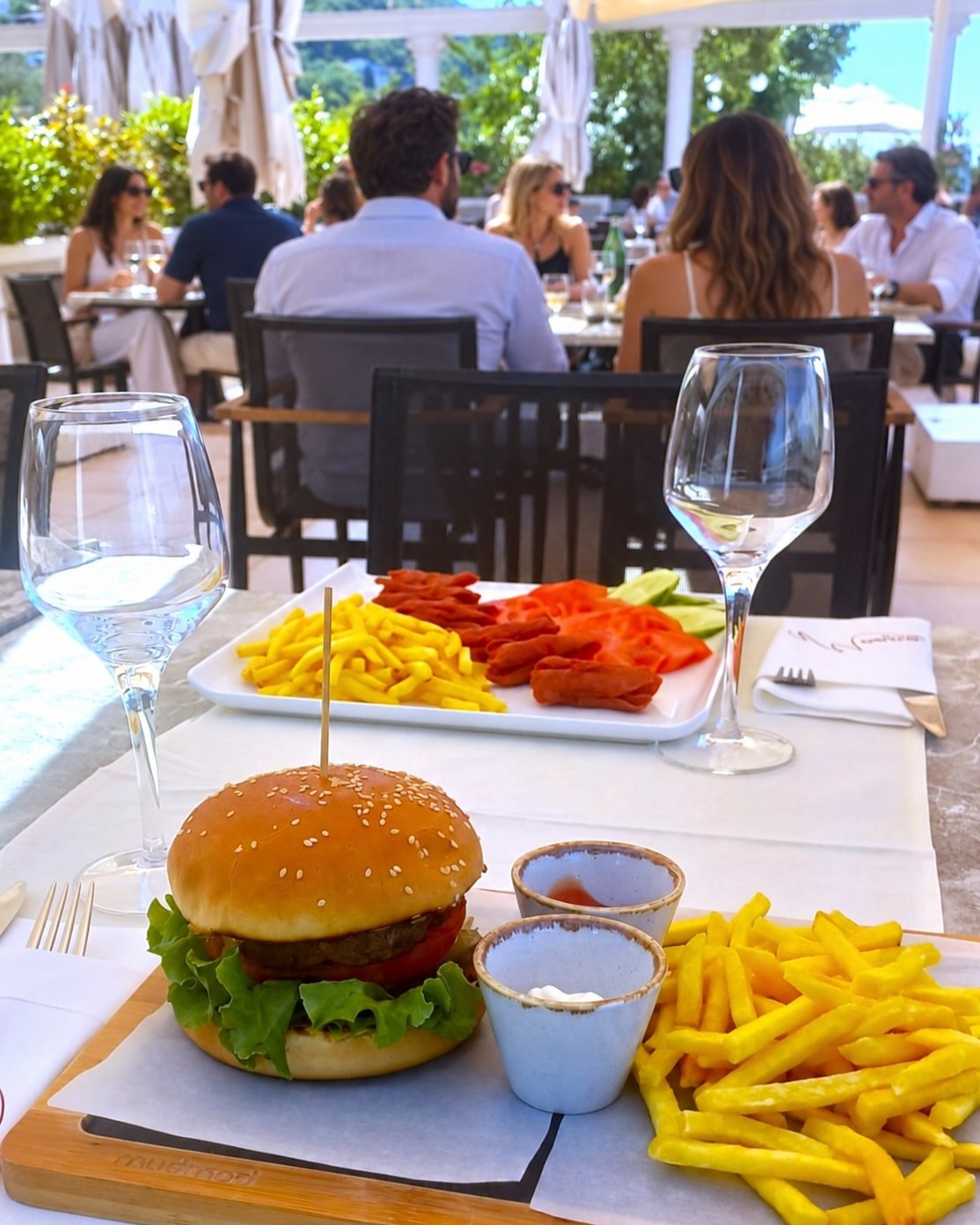
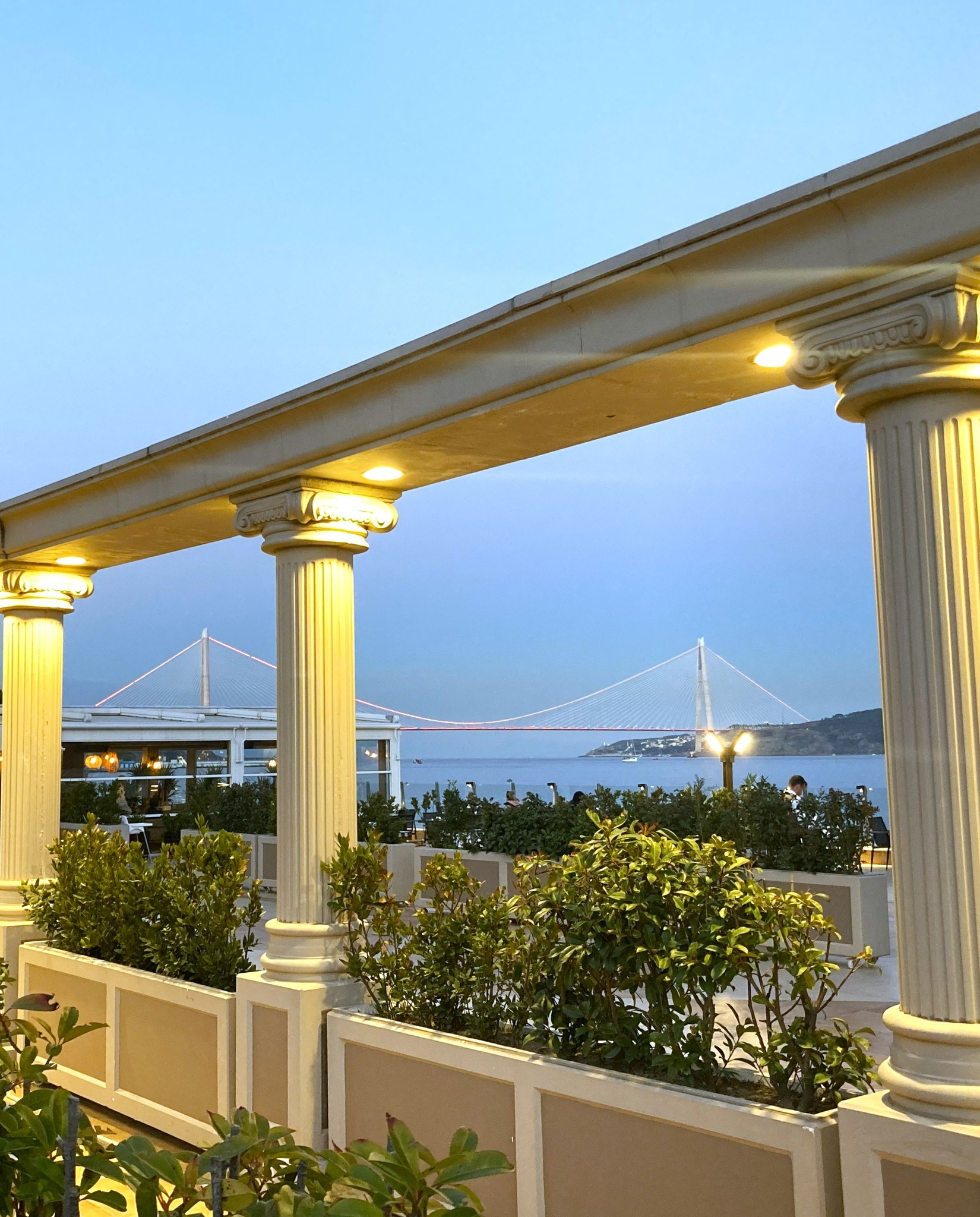
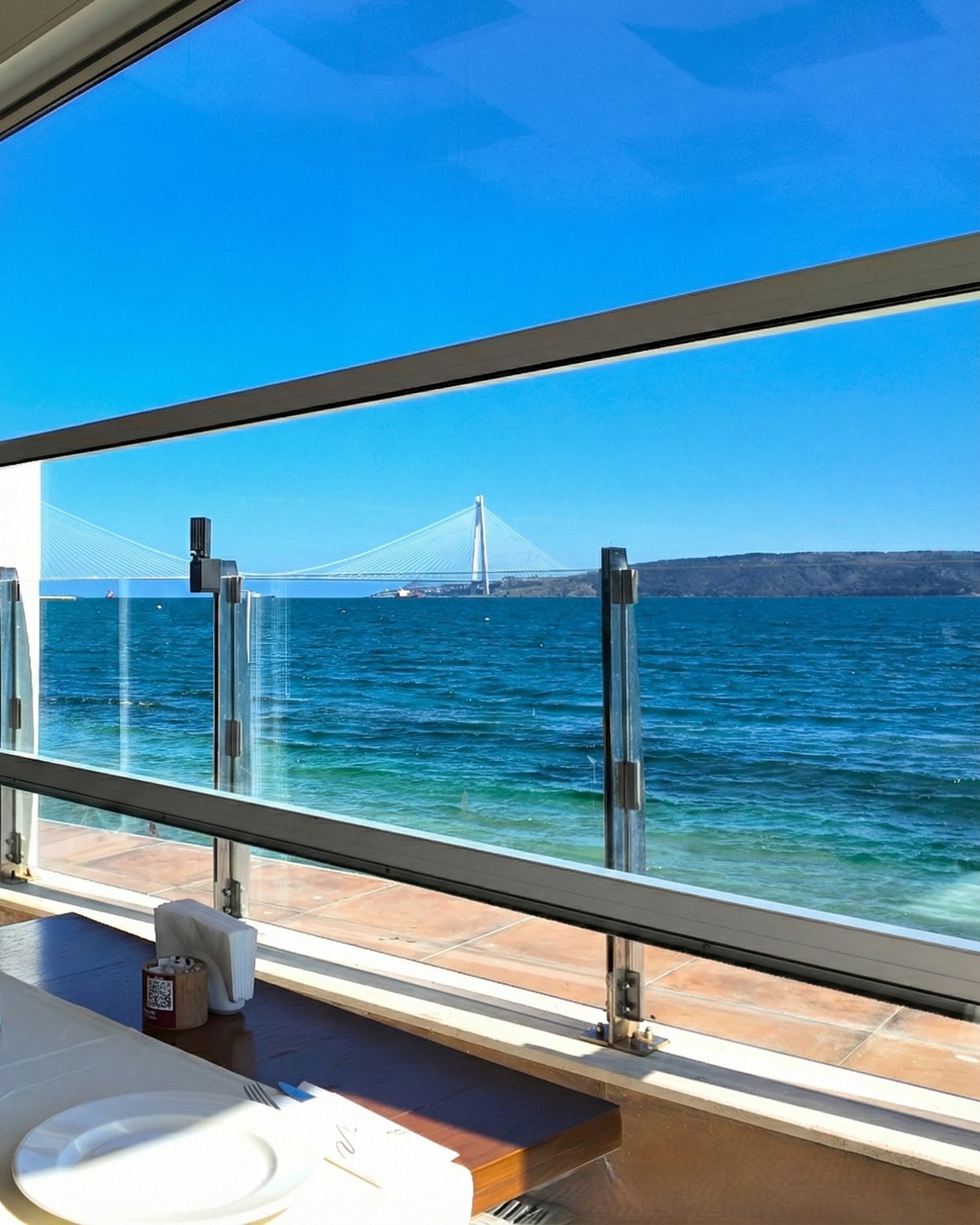
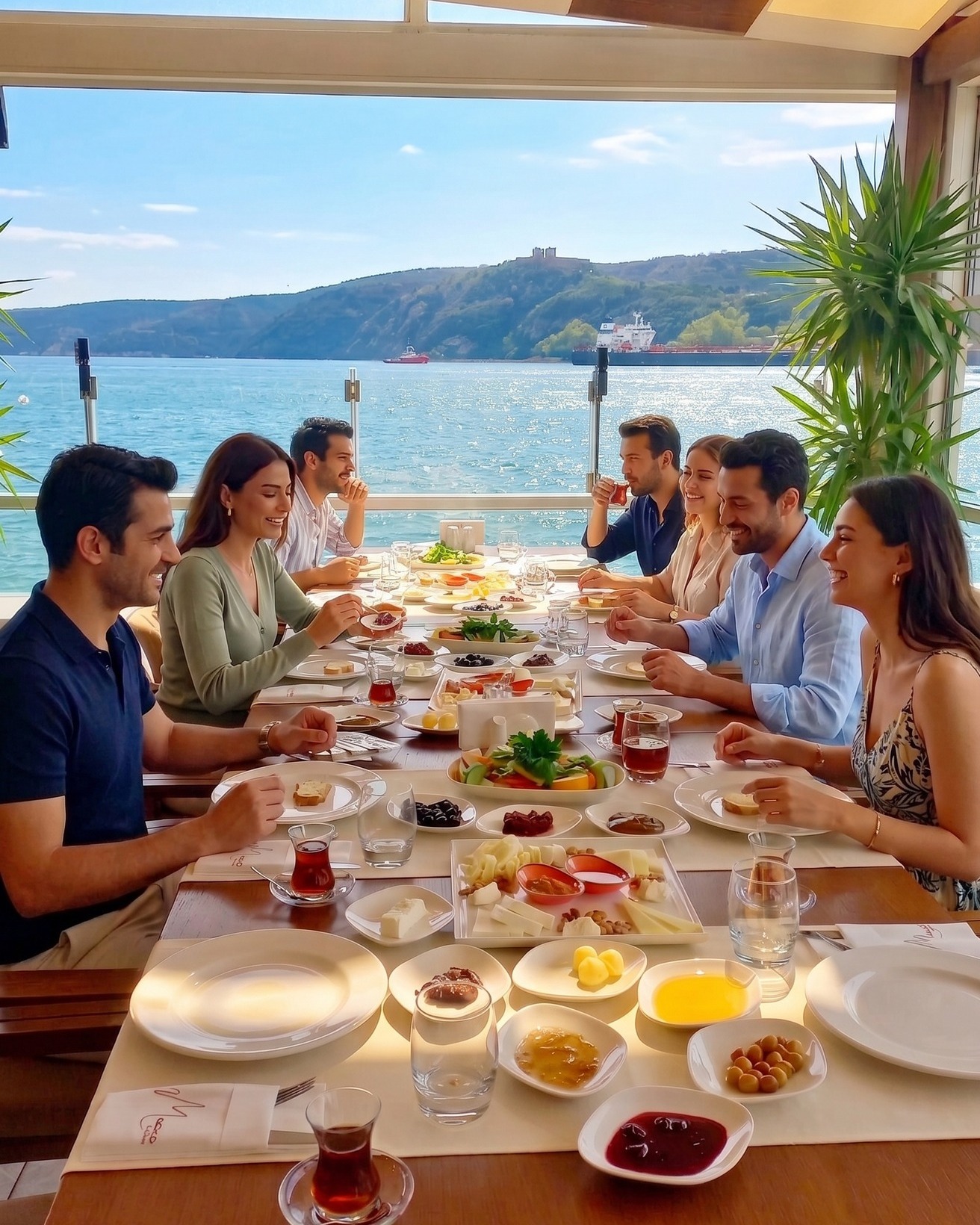
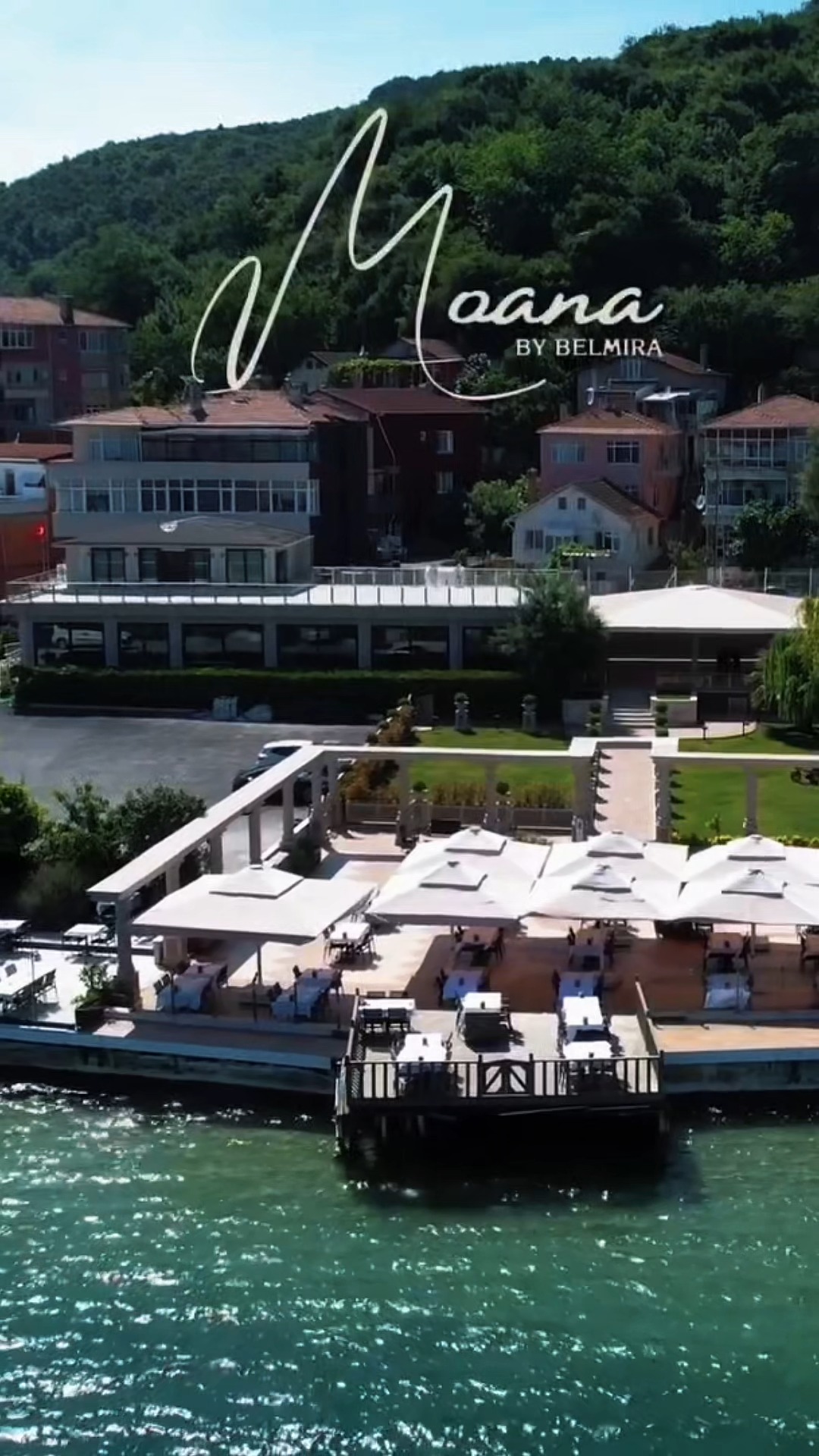
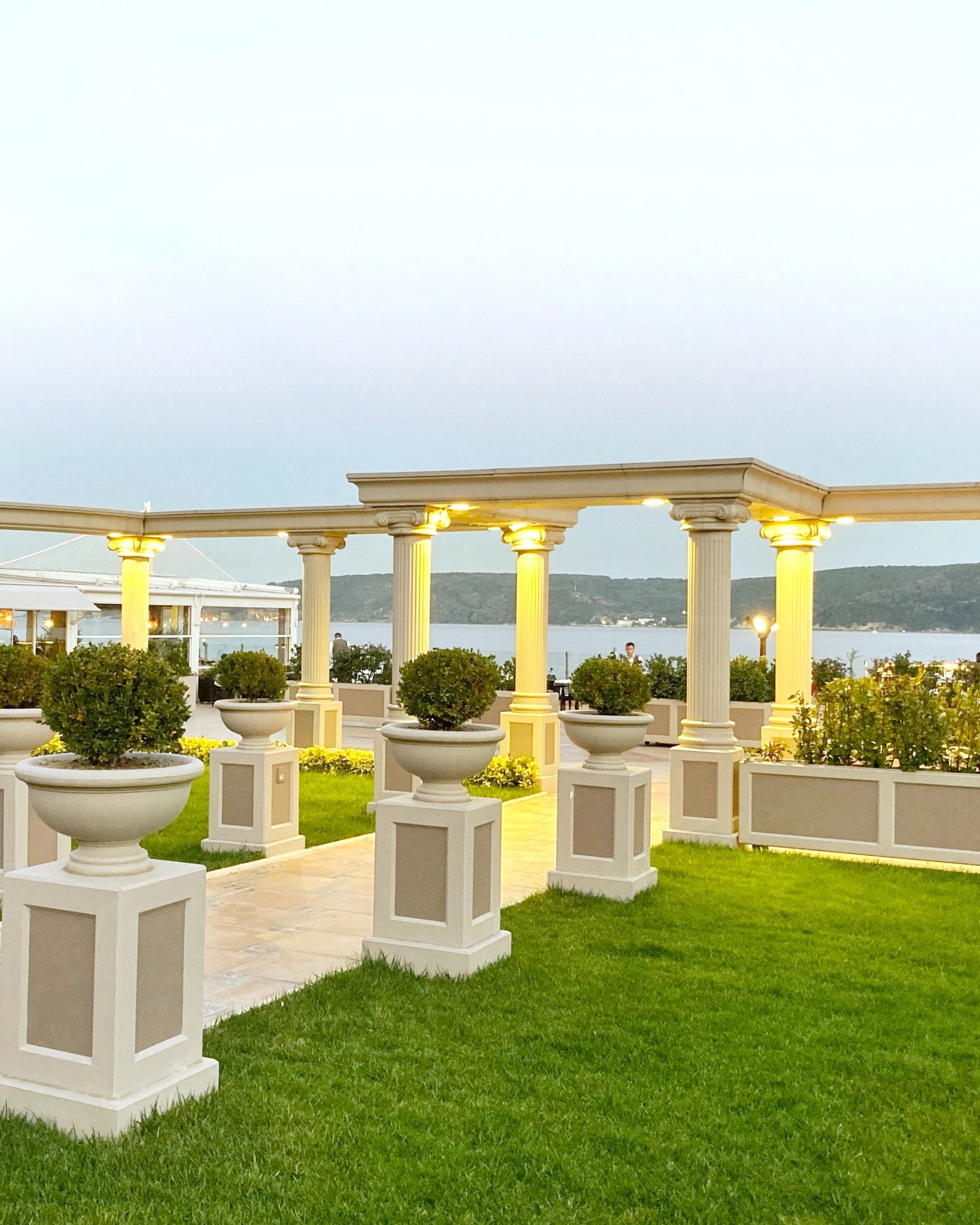
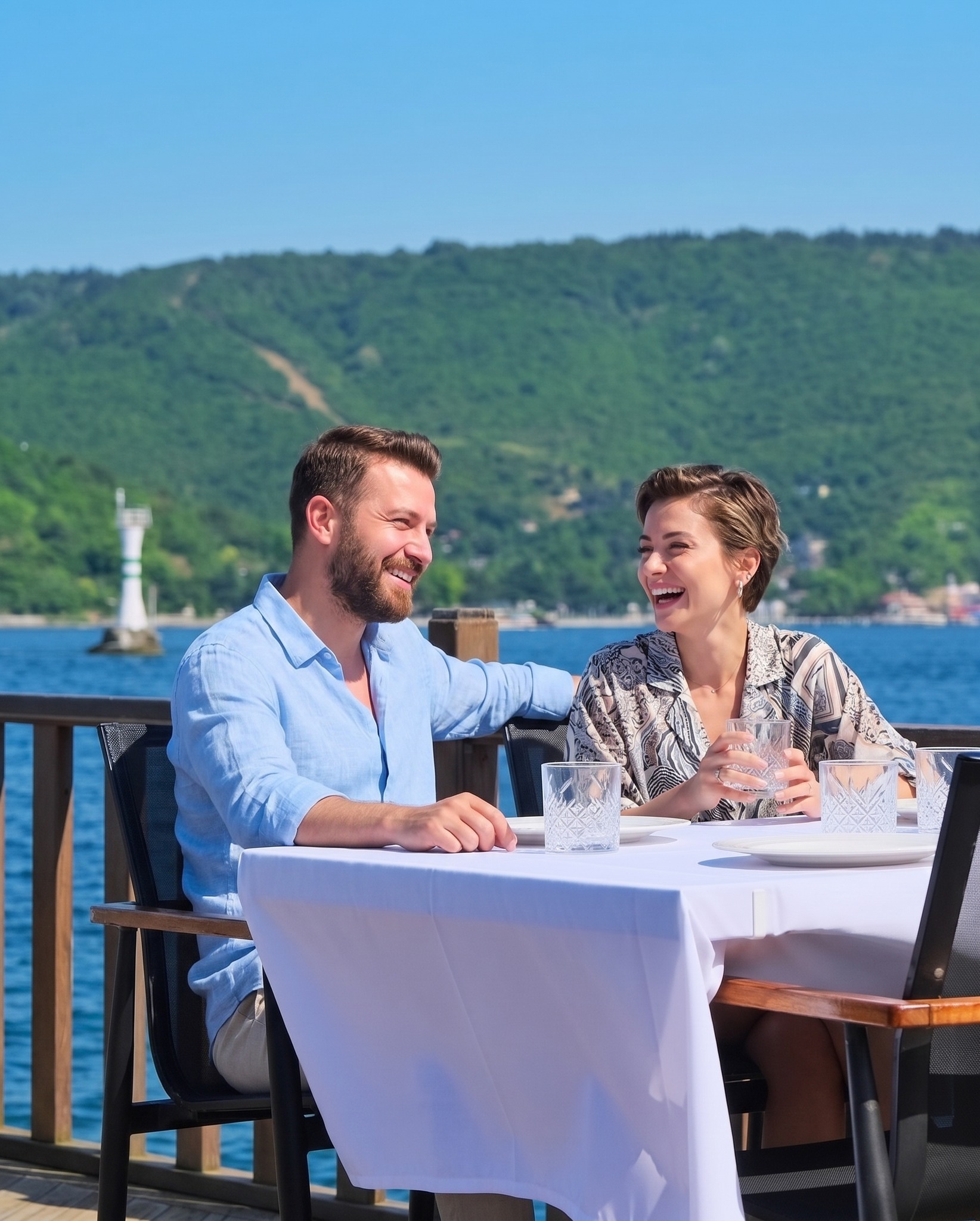
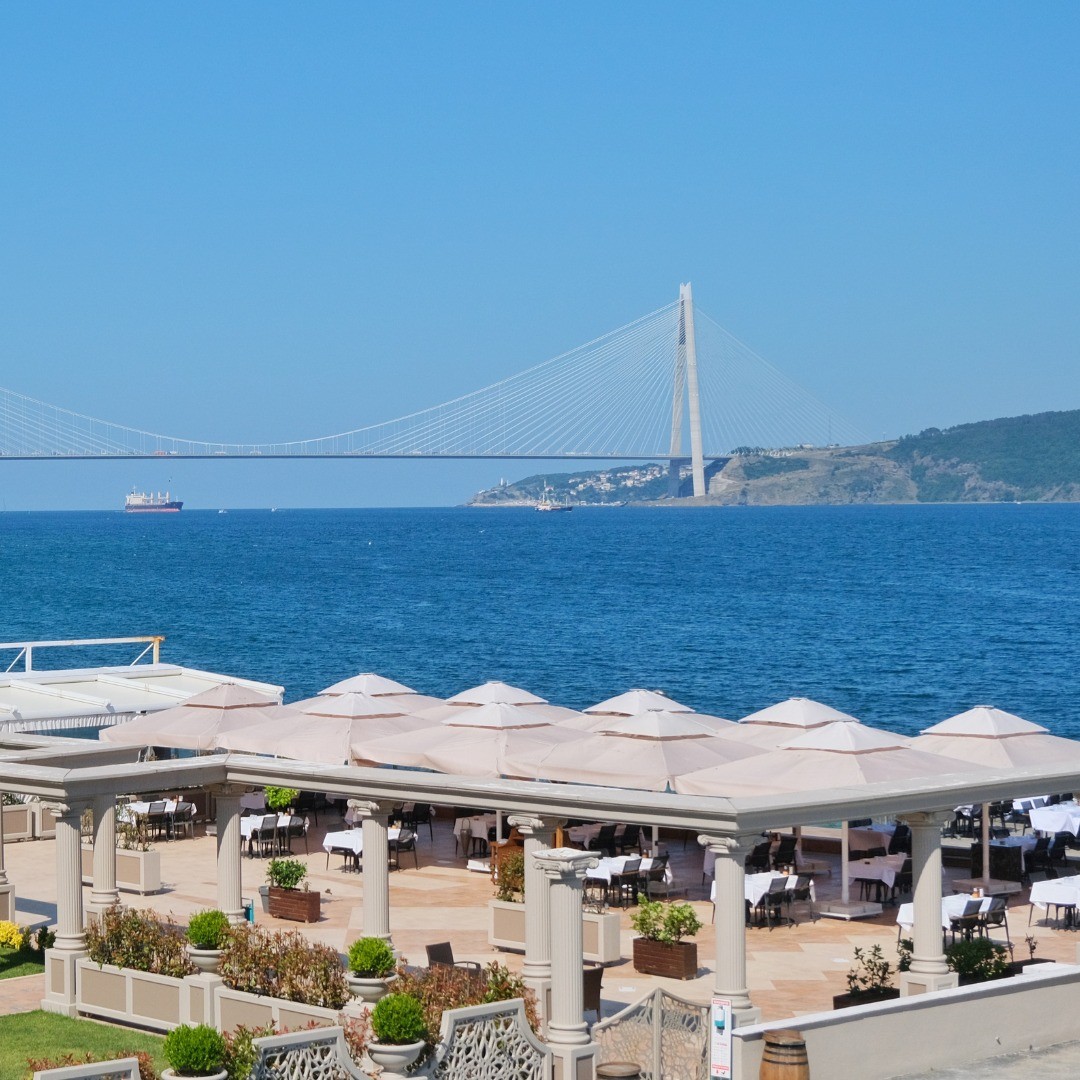
Moana By Belmira brings together exquisite flavors from world cuisine in the tranquil atmosphere of Rumeli Kavağı, with the impressive view of the Istanbul Bosphorus. This meticulously planned experience offers its guests an elegant and unforgettable gathering away from the hustle and bustle of the city.
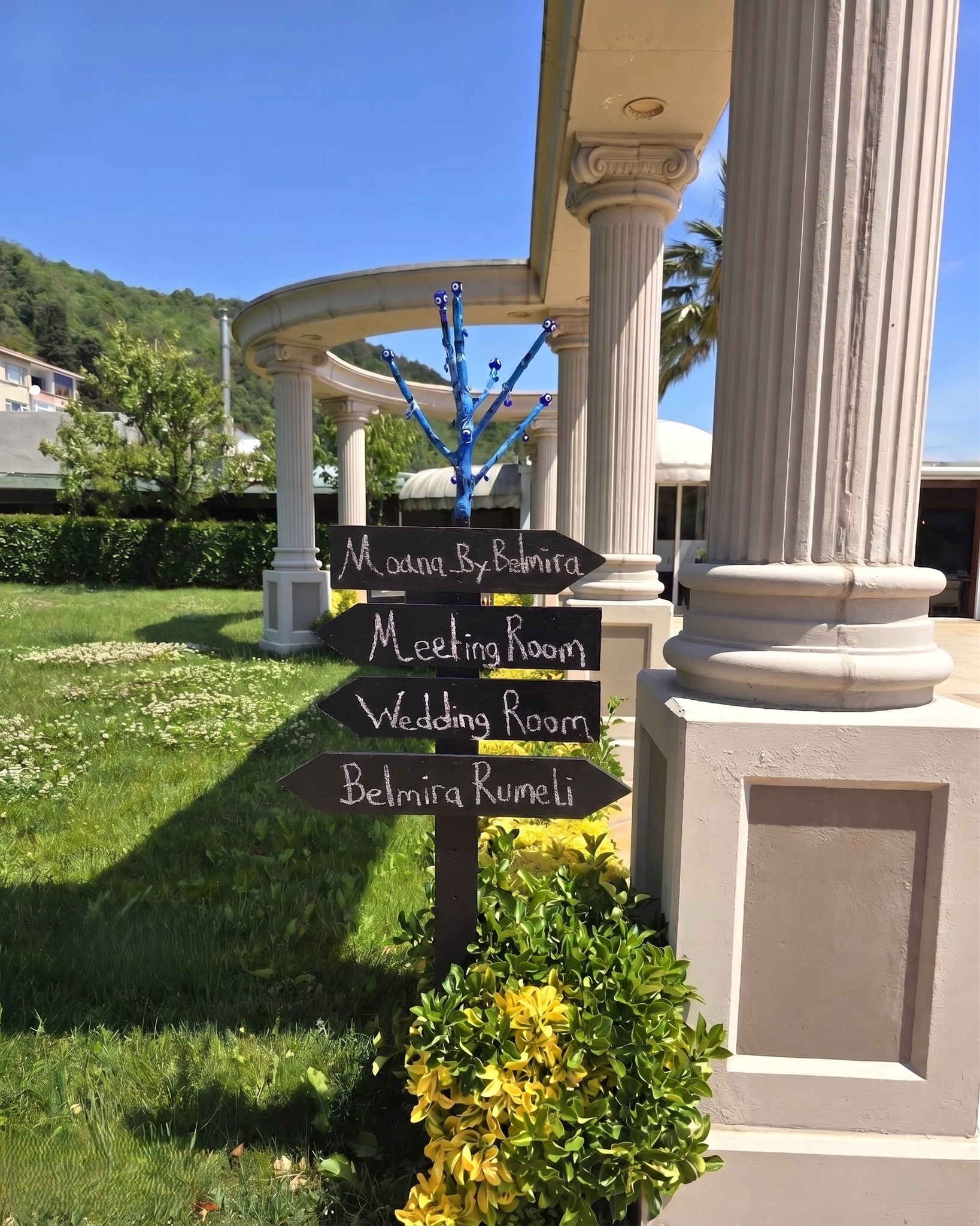
From a romantic dinner by the fireplace to large celebrations and events against the backdrop of the view, Moana By Belmira promises a versatile experience that adapts to different occasions.

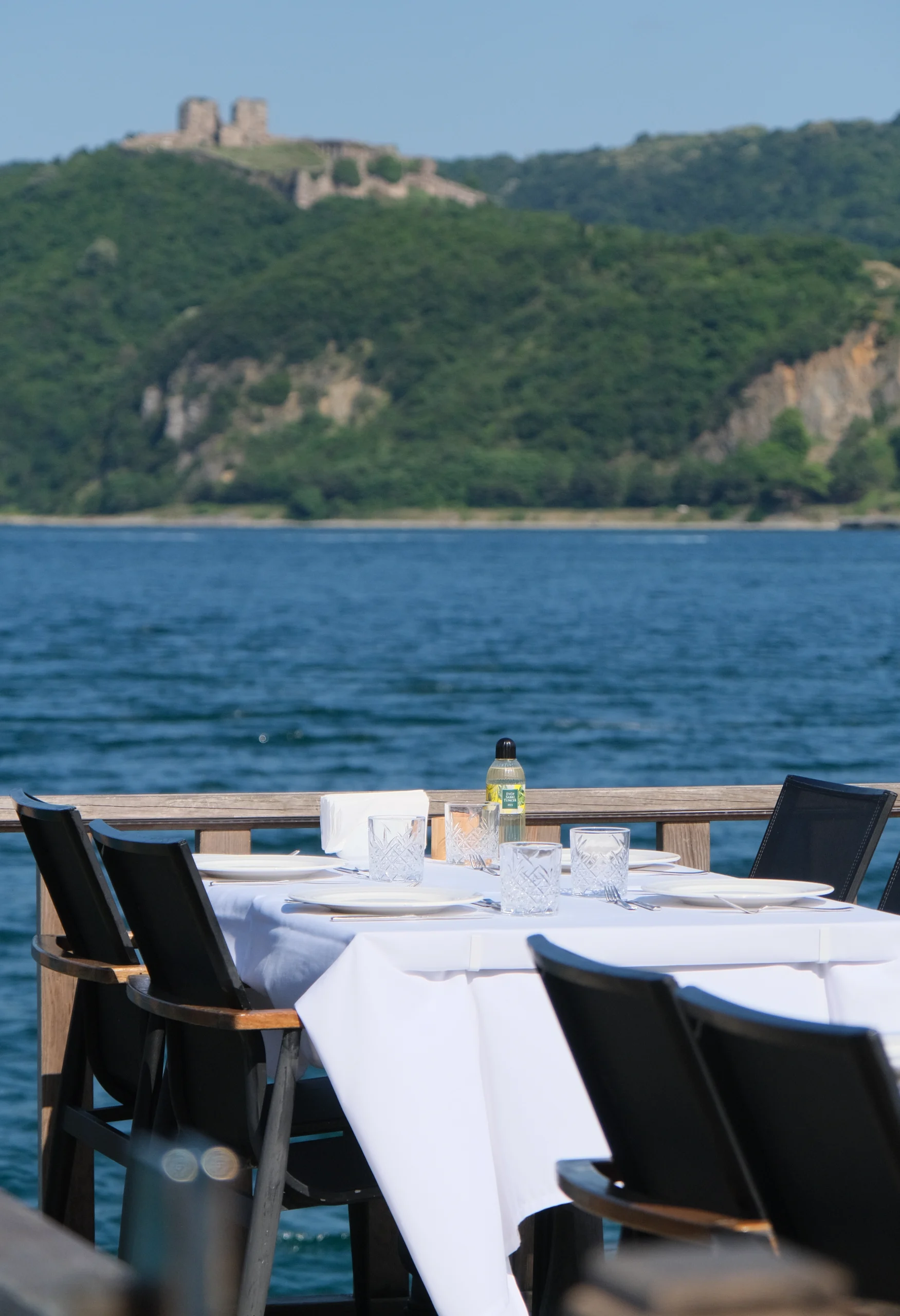
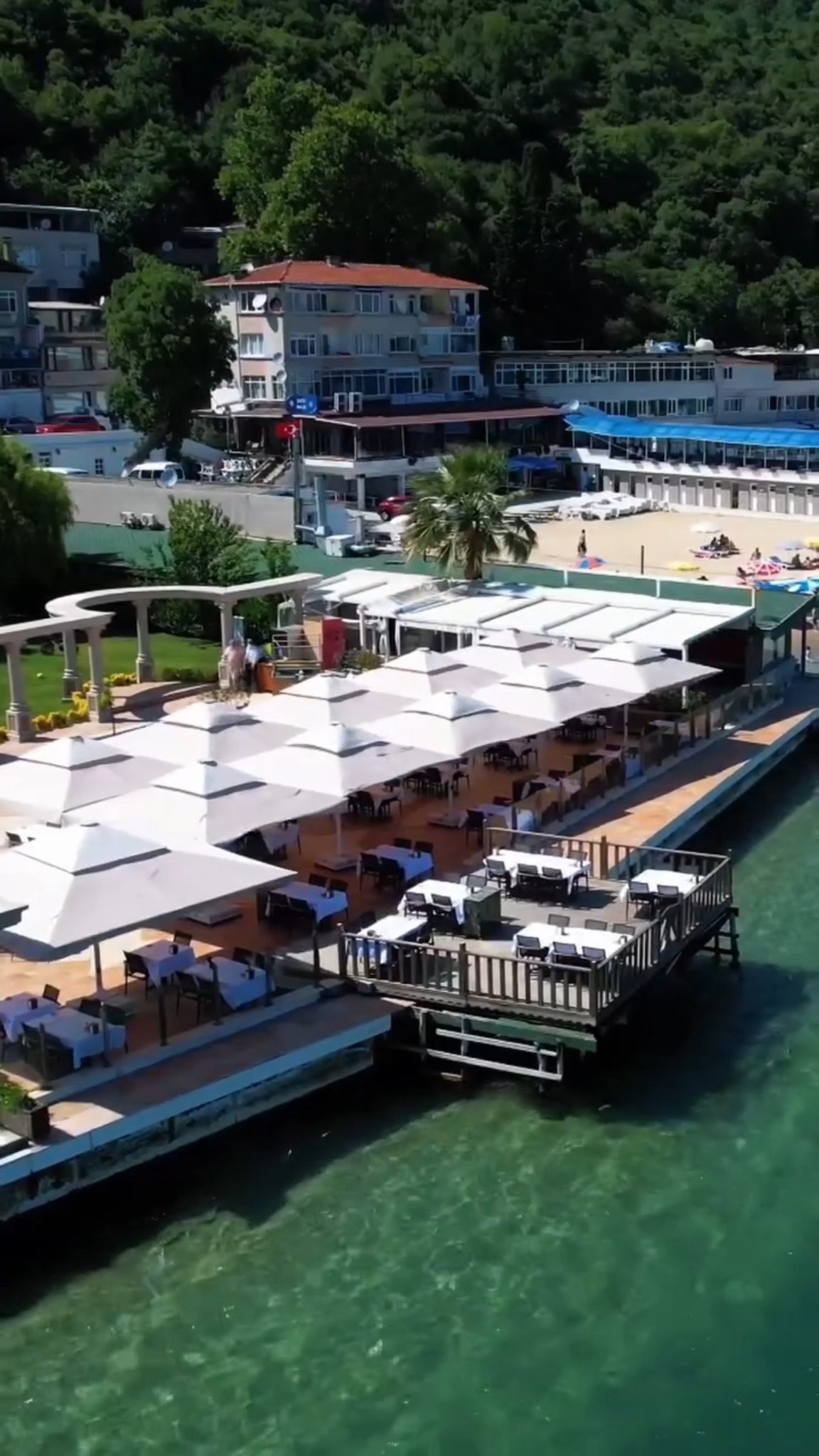
Moana by Belmira, located on the waterfront of the Istanbul Bosphorus, offers a stylish setting for your special occasions.
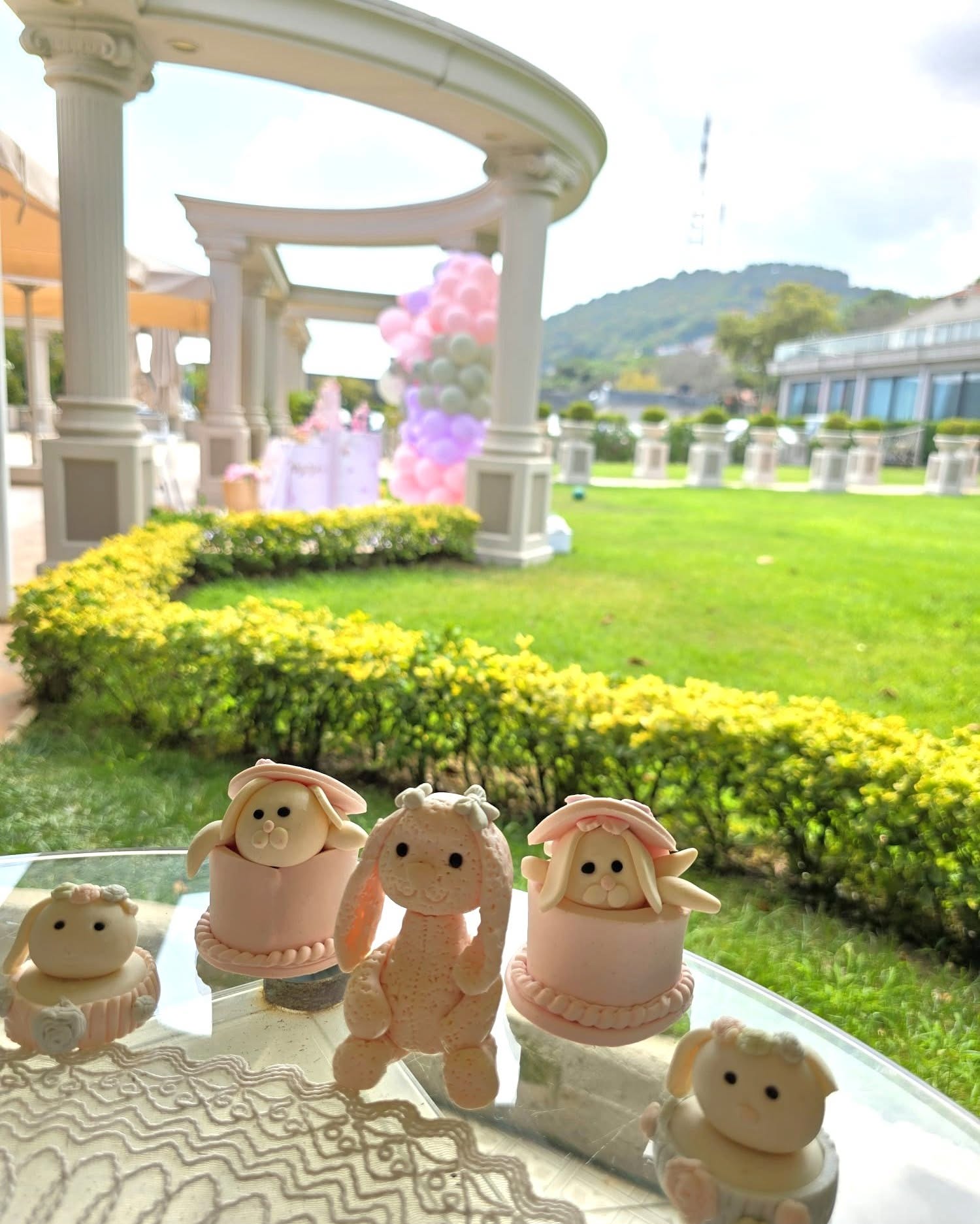
It provides an unforgettable experience with a view for corporate breakfasts and dinners, iftar organizations, birthday celebrations, baby shower gatherings, cocktail parties, and post-wedding dinners. We meticulously plan every detail for you, ensuring your guests are perfectly hosted, all while enjoying the unique atmosphere of the Bosphorus.
OUR HISTORY
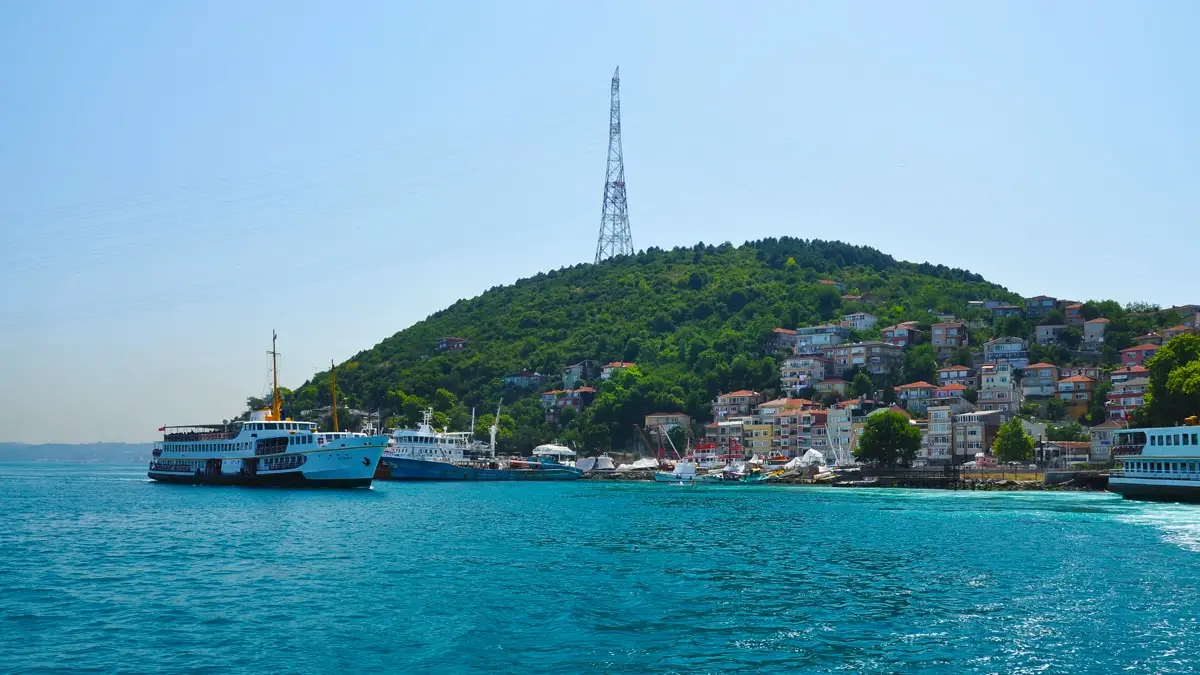
“Located north of Sarıyer, opposite Anadolukavağı, Rumelikavağı is bordered by the neighborhoods of Garipçe, Rumelifeneri, Zekeriyaköy, Maden, Sarıyer Center, and Yenimahalle. An important settlement since the Byzantine period at the Black Sea entrance of the Bosphorus, Rumelikavağı is now one of Sarıyer’s tourist neighborhoods with its fish restaurants and beaches.”
Rumelikavağı, with its rich history and natural beauty, is one of the most beautiful neighborhoods in Istanbul. At PESCHERIA, located in Rumelikavağı, we offer the delights of the sea in a refined setting, remaining true to the rich historical past of the district.
“Located north of Sarıyer, opposite Anadolukavağı, Rumelikavağı is bordered by the neighborhoods of Garipçe, Rumelifeneri, Zekeriyaköy, Maden, Sarıyer Center, and Yenimahalle. An important settlement since the Byzantine era at the Black Sea entrance of the Bosphorus, Rumelikavağı is now one of Sarıyer’s tourist neighborhoods with its fish restaurants and beaches.
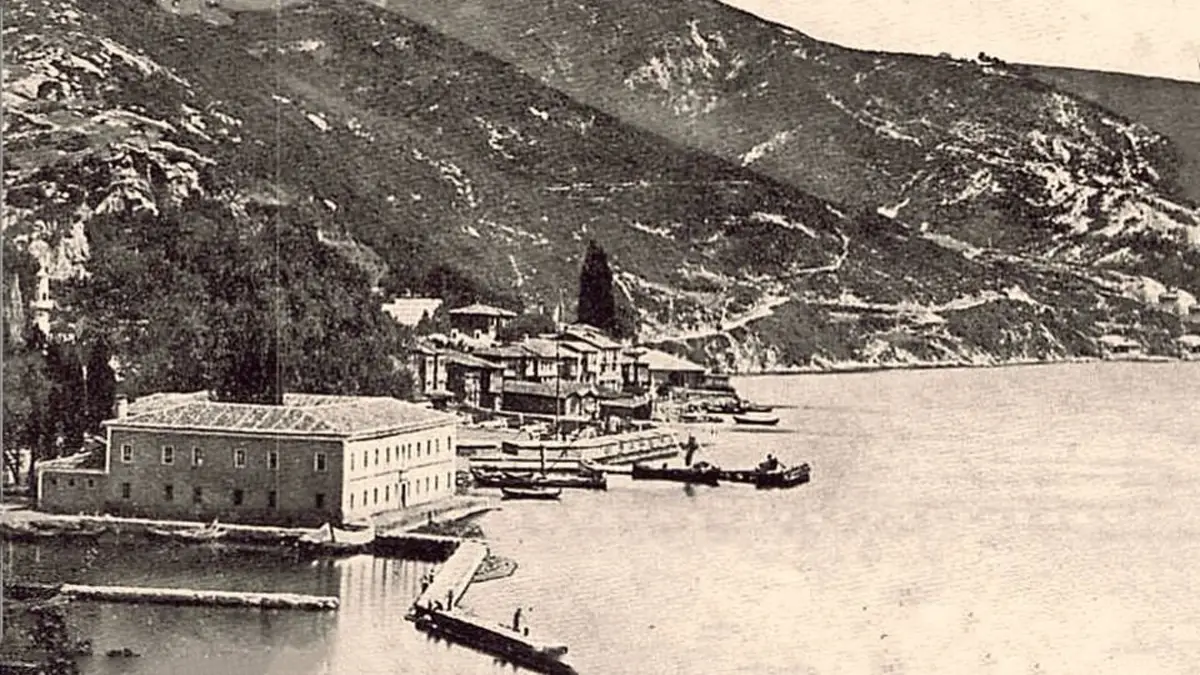
The history of Rumelikavağı extends back to ancient times. It is believed that the Serapion temple was located in the neighborhood, which was known as “Mavromolos” (Karataş). The Monastery of the Virgin Mary, built here in the 10th century, was destroyed over time.
During the Byzantine period, Rumelikavağı was called “Hieoron Romelias.” Legend has it that the name comes from the Byzantine temple that once stood there. Another legend suggests the name comes from the monumental plane trees in the market, which the locals called poplar trees. During the Ottoman period, fortresses were built on both the Anatolian and Rumelian sides to control the Bosphorus, sea passages, and customs.” It is claimed that the neighborhood on the Rumeli side was named “Rumeli Kavağı” because of the name “Kavak” (Poplar).
Rumelikavağı remained a village until 1930, and with Sarıyer becoming a district, it became one of Sarıyer’s neighborhoods. Originally inhabited by Greeks, Rumelikavağı grew through migration during the 1877-1878 Ottoman-Russian War. The majority of its residents are descendants of those who migrated from the Black Sea region.
Rumelikavağı maintained its status as a military zone, a designation that began in the Byzantine period and continued through the Ottoman and Republic periods, until 1960. A restricted area for those outside the village, Rumelikavağı began to develop in later years.
Rumelikavağı is known for its natural beauty, sea, and beaches, as well as its historical structures. These include Kavak Castle, Telli Tabya, Valide Mosque (Yusuf Ağa Mosque), Telli Baba Tomb, Ruznameci İbrahim Efendi Fountain, Rumelikavağı Pier, and Altınkum Beach. It is home to various historical monuments such as the R. Güney Kıldıran Primary School. The monumental plane trees located within the market area are also among these historical monuments. Among Rumelikavağı’s historical monuments, fountains stand out: the abundance of historical fountains in Rumelikavağı is noteworthy. These include the Ruznameci İbrahim Efendi Fountain (1634), the Yusuf Ağa Fountain (1688), the Abdülhamit Han Fountain (1900), and the Hüseyin Sırrı Paşa Fountain (1894).
After the military zone status was lifted in the 1960s, Rumelikavağı began to develop with the construction of new roads and improved transportation, leading to the opening of numerous fish restaurants and casinos. The beaches, famous for their clean sea and sand for many years, continue to serve the public today.
 Bize Ulaşın